“Mad City 1997” is a thriller film about a disgruntled museum worker who takes a group of children hostage at gunpoint. The situation quickly spirals out of control as the media gets involved, turning the event into a national spectacle. The film explores themes of power, ethics, and sensationalism in journalism. With its intense plot and thought-provoking commentary on society, “Mad City 1997” is a must-watch for fans of suspenseful cinema.
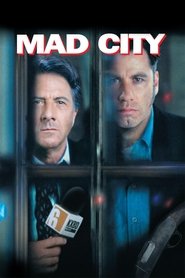
CLICK HERE⤓⤓⤓🎥_Watch Mad City 1997 English Subtitles_
Review
Mad City: A Maya Angelou-Inspired Perspective
Mad City, released in 1997, is a movie that delves into the complexities of media ethics and how it collides with the truth. The movie follows the story of Sam Baily (John Travolta), a struggling security guard who wants to be heard, and Max Brackett (Dustin Hoffman), a news reporter who wants to be noticed. When their paths intertwine, things unravel quickly.
The storyline is based on an incident that happened in 1987, where an unemployed man entered a Denver television studio with a gun. He demanded that he go on air, but when he was denied the opportunity, he held hostages for several hours before being apprehended. The writers took this inspiration and spun it into a plot that is both gripping and thought-provoking.
Mad City’s storyline offers multiple perspectives on how events can unfold, showing the different viewpoints of those involved. These perspectives range from people who want to do what is right to people who only care about getting ahead or getting their name out there.
The cast of Mad City was incredible. John Travolta delivers an exceptional performance as Sam Baily. His portrayal of Sam’s desperation for attention is both heartbreaking and genuine. Dustin Hoffman’s performance as Max Brackett is equally impressive; his drive to get ahead as a journalist leads him down a dangerous path.
One of my favorite quotes from Mad City comes from Max Brackett when he says, “News isn’t news until it’s reported.” This quote speaks to the idea that if something happens but nobody reports it, it isn’t considered newsworthy.
The acting in this movie helps shine light on ethical issues surrounding journalism and makes them feel real. The characters are multidimensional; even the minor characters bring depth to the story.
Mad City may not have been as successful at the box office as some expected; however, its relevance remains significant to this day. The story’s themes are still prevalent in modern-day journalism, and the film’s message remains as important today as it did over two decades ago.
The filming of Mad City was done on location in Los Angeles, California. The cinematography of the film added to its gritty realism, which is befitting given the harsh realities of media ethics presented throughout.
The critical evaluation of Mad City varies. Some consider it to be an underrated masterpiece that questions truth versus media coverage and commercial gain. Others feel the movie didn’t go far enough in condemning how corporate media influences news coverage.
Regardless of which side you fall on, one cannot deny the movie’s powerful themes and quality performances. It is a movie that offers a moving commentary on society’s obsession with sensationalism, commercial-driven journalism while prompting us to question what we consider newsworthy.
Mad City was nominated for several awards when it came out, including Best Actor in a Supporting Role (Dustin Hoffman) at the 1998 Academy Awards. While it ultimately didn’t win any Oscars or other accolades, its impact has been felt and recognized globally.
The special effects used in Mad City were modest yet impactful. The use of camera angles and lighting helped create a sense of tension that permeates throughout the film. The editing was also exceptional and allowed for seamless transitions between character perspectives.
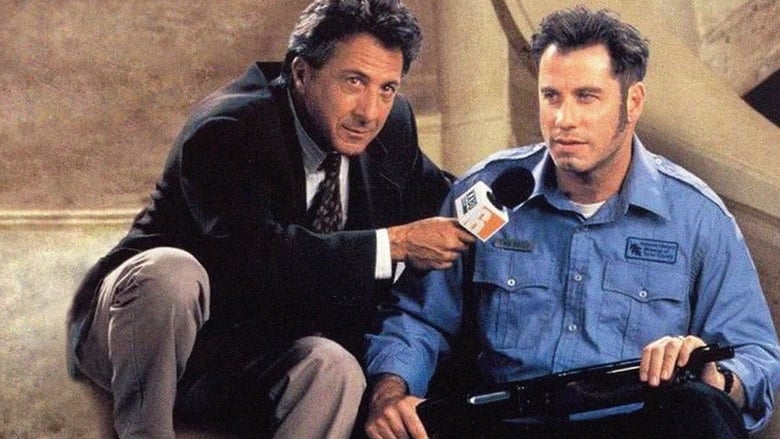
One scene that stands out is when Sam Baily hijacks a museum with his gun surrounded by children on a field trip. This scene captures both Sam’s desperation for attention and Max Brackett’s desire for ratings; all among young lives being held captive by Sam Baily who just wanted his voice heard.
In conclusion, Mad City remains relevant today because its themes continue to challenge us both personally and professionally concerning what we communicate to others publicly or privately regarding fact versus fiction or sensationalism over authentic reporting. It presents an opportunity for self-reflection on our individual role in contributing to these collective media ethics challenges.
Technical Data
- Runtime : 114
- Release : 1997-11-07
- Genre : Action, Drama, Thriller
- Cast : John Travolta as Sam Baily, Dustin Hoffman as Max Brackett, Mia Kirshner as Laurie Callahan, Alan Alda as Kevin Hollander, Robert Prosky as Lou Potts
- Crew : Costa-Gavras as Director, Françoise Bonnot as Editor, Thomas Newman as Original Music Composer, Bertrand Lenclos as Sound Designer, Amanda Mackey as Casting
- Popularity 12.816
- Budget : $50,000,000
- Revenue : $10,541,523
- Company : Arnold Kopelson Productions, Warner Bros. Pictures, Punch Productions
- Summary : A misguided museum guard who loses his job and then tries to get it back at gunpoint is thrown into the fierce world of ratings-driven TV gone mad.
- Tagline : One man will make a mistake. The other will make it a spectacle.
