“Day of the Woman 1978” is a brutal and controversial film about a young woman who seeks revenge on her attackers. The movie follows her journey as she navigates through the male-dominated society and overcomes her fear to take justice into her own hands. It’s like watching a slow-burning fuse ignite into an explosive display of retribution. The film challenges societal norms and is a powerful commentary on rape culture.

CLICK HERE⭭⭭⭭🎫_Watch Day of the Woman 1978 English Subtitles_
Review
As someone who loves movies, I often find myself drawn to lesser-known films that have a cult following. One movie that falls into this category is “Day of the Woman,” which is also known by its more popular title, “I Spit on Your Grave.” This film tells the story of a woman who seeks revenge against a group of men who brutally raped her.
From the get-go, “Day of the Woman” establishes itself as a gritty and intense film. The opening scene shows Jennifer Hills (played by Camille Keaton) driving into a small town in upstate New York where she has rented a cottage to work on her novel. It’s clear from the start that she’s an outsider and doesn’t quite fit in with the locals, who are portrayed as being boorish and sexist.
Things take a turn for the worse when Jennifer is attacked by four men while taking a swim in a nearby river. The rape scene is one of the most controversial in cinema history, as it’s incredibly graphic and lasts for over 20 minutes. Some have criticized director Meir Zarchi for including such a prolonged and brutal assault, but he has defended his decision by saying that he wanted to show just how horrific sexual violence can be.
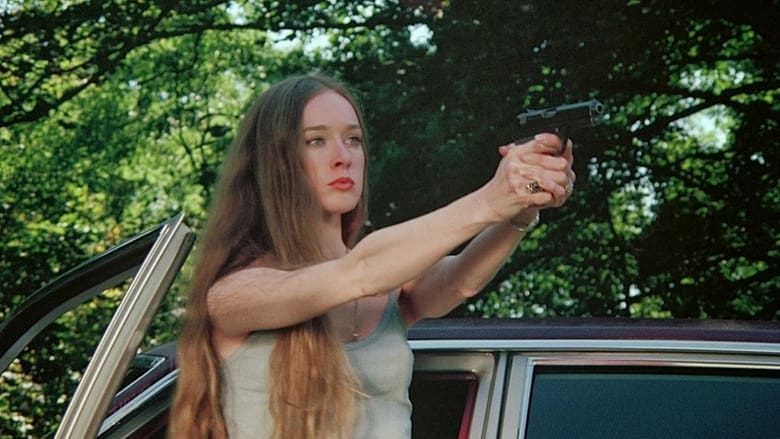
After the attack, Jennifer manages to escape and spends several days recovering before deciding to take matters into her own hands. She begins systematically hunting down each of her attackers and enacting gruesome revenge upon them. While some might see this as glorifying violence, others argue that it’s empowering to see a survivor take control of their own story and seek justice on their terms.
One thing that sets “Day of the Woman” apart from other revenge movies is its focus on psychological horror. Throughout the film, we see Jennifer struggle with PTSD and survivor’s guilt. There are also moments where we’re unsure if what we’re seeing is real or just happening inside her head. This adds an extra layer of complexity to the story and makes it more than just a simple exploitation flick.
The acting in “Day of the Woman” is raw and believable, particularly from Camille Keaton. She imbues Jennifer with a quiet strength that’s both admirable and terrifying. The supporting cast, made up mostly of unknowns, also delivers solid performances.
When it was released in 1978, “Day of the Woman” was met with widespread controversy and criticism. Many accused it of being exploitative and gratuitous, while others praised it for shining a light on issues like sexual assault and victim-blaming. The film was banned in several countries and heavily censored in others.
Despite the controversy surrounding it, “Day of the Woman” has developed a passionate fanbase over the years. It’s spawned several sequels and remakes, as well as countless imitators. Even those who might not necessarily enjoy this type of movie can appreciate its impact on pop culture.
From a filmmaking perspective, “Day of the Woman” is impressive in its simplicity. Meir Zarchi shot most of the film himself on a shoestring budget, using mostly natural light and practical effects. The result is a gritty realism that adds to the horror.
One aspect of “Day of the Woman” that often goes overlooked is its score. Composed by Joe Peretti and William Loose, the music is hauntingly beautiful and serves to add an extra layer of tension to many scenes.
In terms of awards recognition, “Day of the Woman” didn’t receive any major accolades upon its release. However, it has since been lauded by critics for its impact on horror cinema as well as its portrayal of important social issues.
Some have criticized “Day of the Woman” for its pacing, which can be slow at times. Others argue that this only adds to the tension and atmosphere created by Zarchi’s direction.
Overall, “Day of the Woman” is a film that’s not for the faint of heart. It’s brutal, unflinching, and uncompromising in its portrayal of sexual violence and revenge. And yet, it’s also a movie that’s worth watching for its exploration of important themes and its impact on cinema as a whole. Whether you love it or hate it, there’s no denying that “Day of the Woman” is a movie that will stay with you long after the credits roll.
Technical Data
- Runtime : 101
- Release : 1978-11-02
- Genre : Horror, Thriller
- Cast : Camille Keaton as Jennifer Hills, Eron Tabor as Johnny, Richard Pace as Matthew Lucas, Anthony Nichols as Stanley, Gunter Kleemann as Andy
- Crew : Meir Zarchi as Director, Meir Zarchi as Editor, Meir Zarchi as Producer, Meir Zarchi as Writer, William Tasgal as Special Effects
- Popularity 26.472
- Budget : $650,000
- Revenue : 0
- Company : Barquel Creations
- Summary : After a young writer is brutally gang-raped and left for dead by four men, she systematically hunts them down one by one to exact a terrible vengeance.
- Tagline :
